Newsletter: March 2026 – Dolce Far Niente (The Sweetness of Doing Nothing) in Sicily!

Italians use the phrase “Dolce Far Niente”, which translates to, “The sweetness of doing nothing.” It’s a lifestyle choice to slow down and enjoy the simple moments in life.


There is a moment in Castelbuono, Sicily, usually just after the spring rain has passed, when the light settles into the hills like it has nowhere else to be. The sun lingers a bit longer to start the spring season, a period of intense growth.  It sure feels special to feel that warm spring sunshine when it happens! For Courtney and I, we often plan our day according to the sun—if the sun is shining, our plans change and we take advantage of the sunlight!!

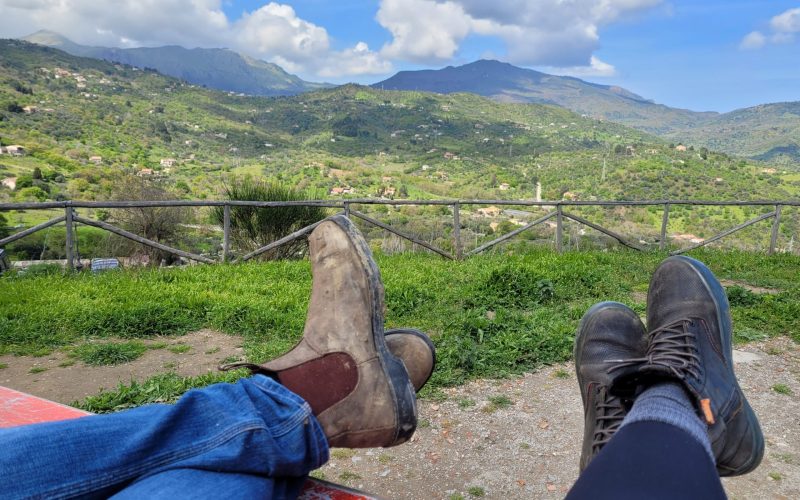
The View from the Castelbuono Bench
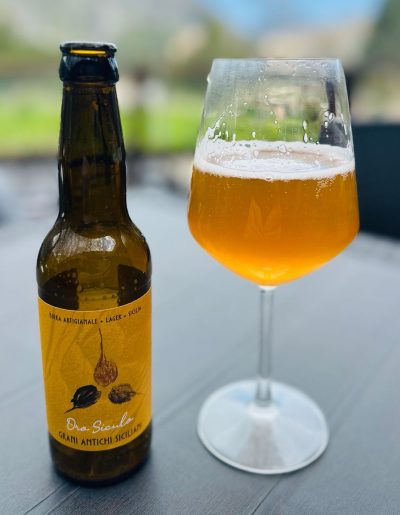
Birra Oro Siculo Birra Locale
A Local Beer: Oro Siculo (Sicilian Gold)

This year, we felt the Sicilian winter fade away slower than usual, and welcomed the warmer sunny “primavera” weather with almost too much enthusiasm!


For me, I feel like I notice the sun most when I stop trying to be somewhere and I just let the day guide me—no schedule pressing, no urgency whispering, just the quiet permission to exist exactly where I am. 


Italians call it ‘dolce far niente’, but I’m beginning to suspect that’s only half the truth. Because here, ‘nothing’ is rarely empty. It’s just… uncluttered. Perhaps that’s the ‘spring cleaning’ required when spring has finally sprung? Letting the winter fade as we embrace the next season.

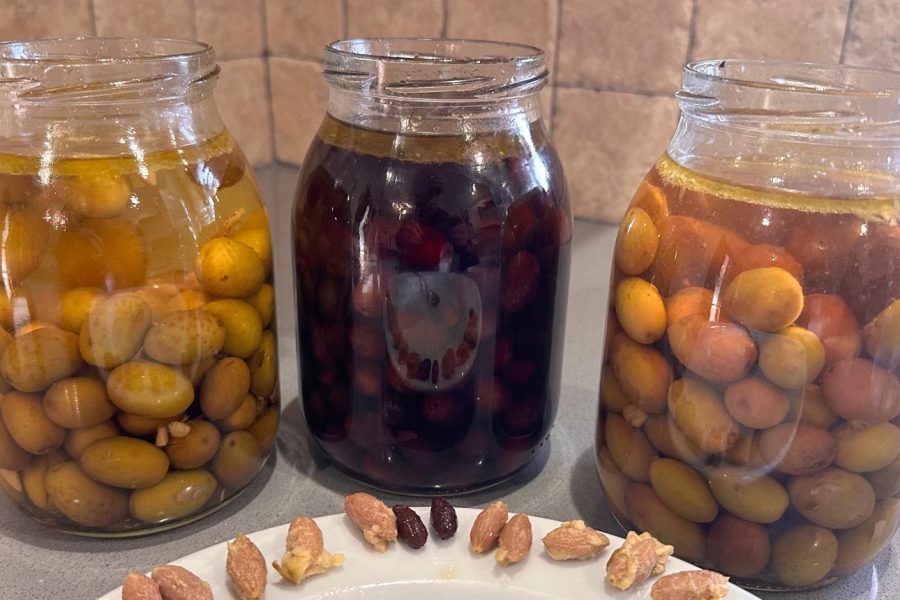
Three Attempts at Brining Olives
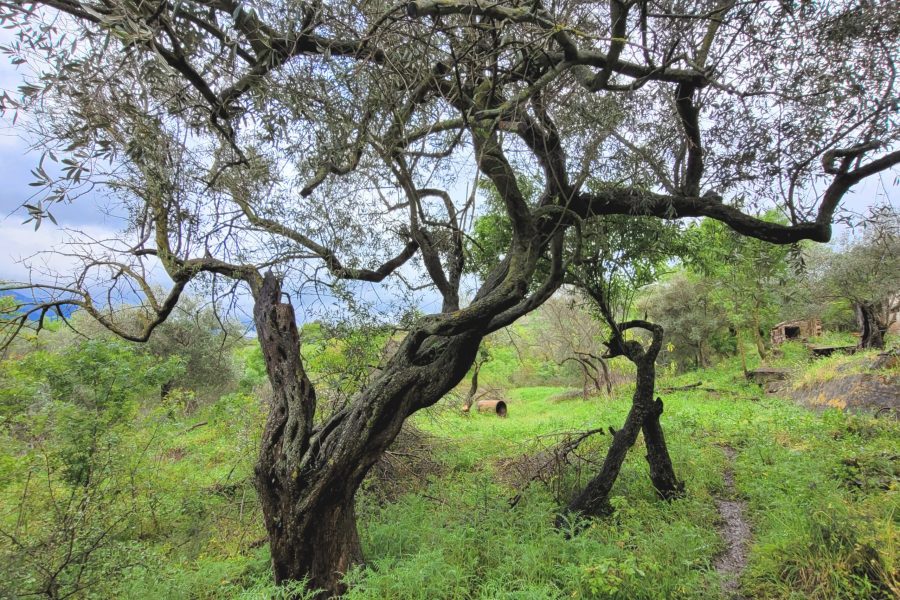
The Olive Grove on our Property

The Taste of Waiting


Courtney and I returned to Sicily in late February, after a very dramatic flight diversion from Dubai. Our flight was redirected to the south of Kuwait to avoid the missile strikes happening within Iranian airspace.


I was excited to return to Sicily, to what has become our new home. 


Last autumn, I decided to try something I had no real business attempting—olive brining. I made a modest batch, nothing too ambitious, just enough to learn.


I picked them by hand, sorted them, cracked some, sliced others. I seeked the wisdom from my neighbours on the true local process. I did what I understood to be the ‘Castelbuono method’ of harvesting and brining olives. 


I measured salt ratios with the seriousness of a scientist with the uncertainty of someone who knew he might be completely wrong. After all, it’s quite possible something was literally lost in translation when I learned about the particular “glow” or “glossiness” of the olive skin basking in the fall sun as an indicator that the olives were ready to be harvested.


I was told it’s not up to me to decide when the olives will be harvested based on my free time—I must wait until the olives tell me that they’re ready.

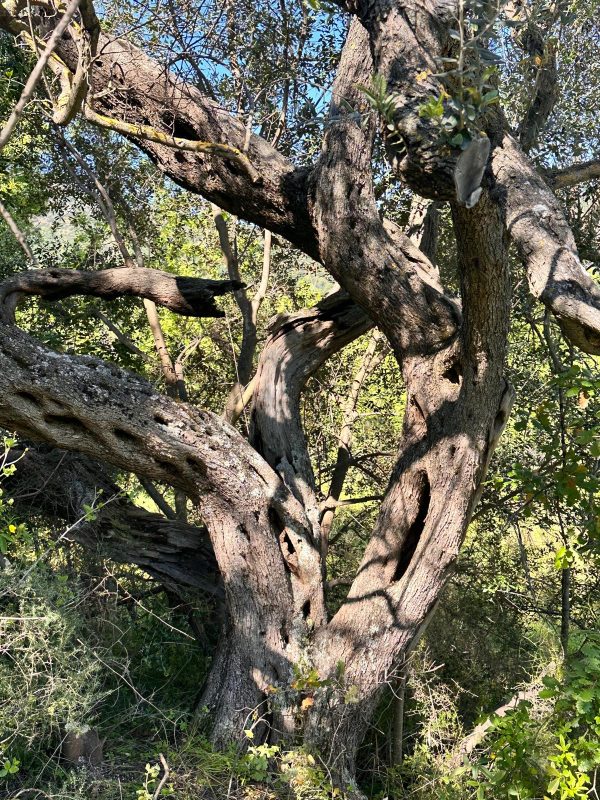
An Ancient Olive Tree
Primavera Has Arrived

After harvesting and brining last fall, the next step in the process is to wait. As it turns out, the waiting game is the entire point.


I opened the jars recently upon our return from South Africa. I’ll admit—there was some hesitation. You don’t put months into something without a small fear of disappointment. To my surprise, the olives were exceptional!


Rich. Balanced. Slightly flavoured in the way olives should be—but softened into something far more complex.  A hint of garlic and fennel. There’s an “earthy” flavour that’s hard to describe. The kind of flavour that doesn’t just sit on your tongue, but lingers.


It wasn’t just that the olives tasted good. I think what it was, for me personally, is that they tasted earned.

Trees That Keep Time Differently


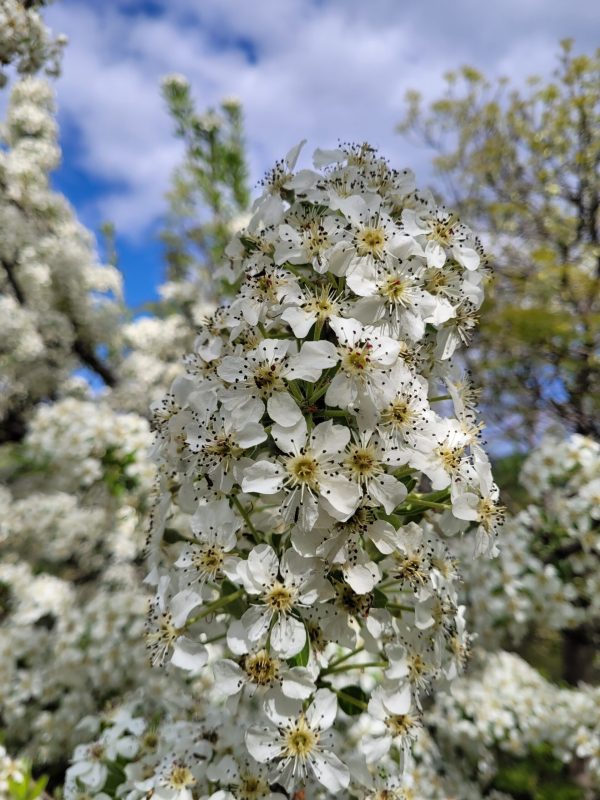
Spring has a way of pulling me back into the land whether I’m ready or not.


Our property, after months of the winter wind and rain, greeted us like an old friend who had clearly been through something monumental—branches scattered, limbs twisted or broken, and leaves piled into corners around our house as if they’d gathered for warmth.


So I started where you always start—at the beginning with the small things: clearing and trimming.


When I’m working on the land, it’s an excuse to use one of my favourite tools, my motosega! I bought a Stihl TS-151 Chainsaw last spring and I have no regrets! In fact, when I talk to our neighbours about what I use to trim my trees, upon hearing that I have a Stihl TS-151, I can see the instant recognition and acknowledgement of approval as they nod their heads, “Ahh… certo, perfetto!” (loosely translated as “Certainly, that’s perfect!”)

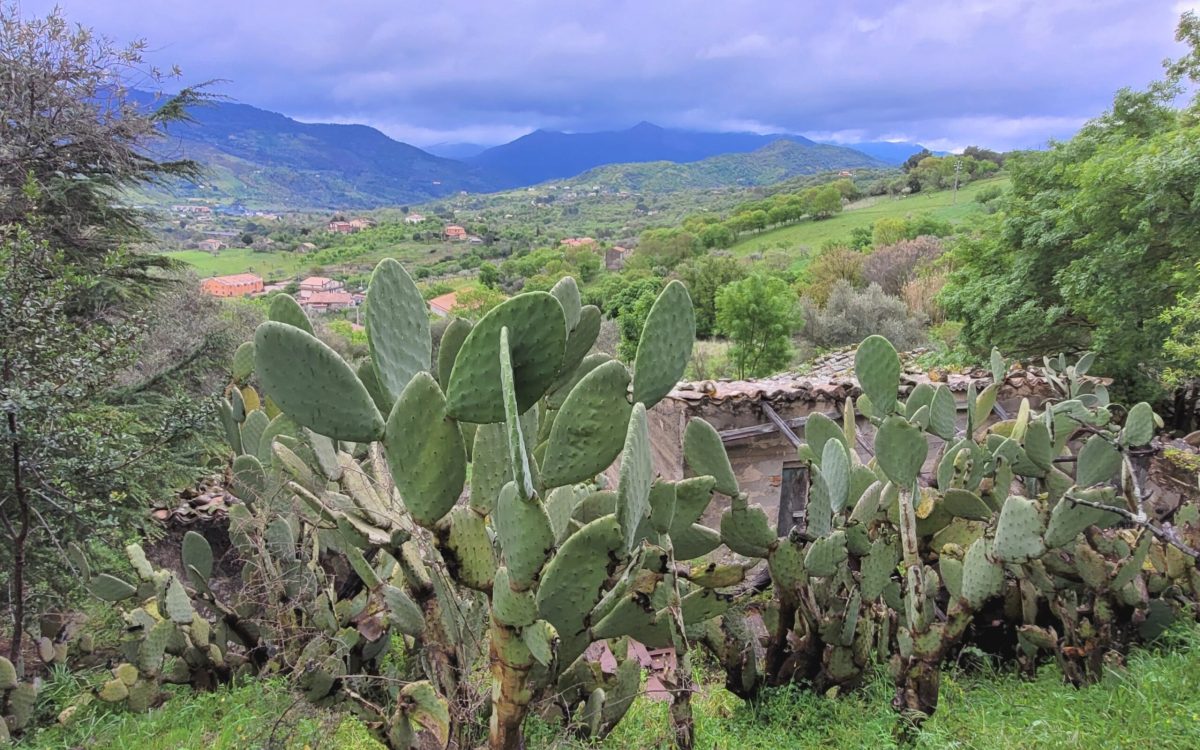
The Prickly Pear Pathway

My spring started by walking around our property, 7.7 acres in total—-which led to the rediscovery of the land. We started creating nicknames for various sections, such as the “lower woods” and “the upper enchanted forest”, in order to better describe and discuss the work that needs to be done. 

After I went to explore “The Prickly Pear Pathway”, I discovered new things I hadn’t noticed before—not because they were hidden, but like many things here, they reveal themselves only when you’re not in a rush. And that’s when I found them—the ancient ones!

From my last count, I believe we have 76 olive trees on our property, as well as 200+ ash trees (the ash variety used to make manna!). There are still others left unidentified. Some of our olive trees don’t just look old, they look ancient—perhaps 300 or 400 years old?

You don’t confirm the age of an olive tree the same way you would with most trees in Canada. There’s no clean slice, no neat rings to count. Olive trees age more like people here—through ruggedness, characteristics, and an aged “weathered” look that only appears after many years of surviving the elements.

One of the most practical methods to determine the age of an olive tree is measuring the circumference of the trunk—about one meter above the ground. Not at the base where things flare and exaggerate, but just above, where the tree settles into its true form. The measurement, often taken in centimetres, gives a rough sense of age when compared to known growth rates and regional patterns.

That said, however, a Sicilian farmer wouldn’t start with a tape measure. They’d look and say something like: “Questo è un albero vecchio…molto vecchio.” (This is an old tree…very old.) They’d notice certain characteristics, like a hollow trunk (a sign of survival, not decay), the way the branches emerge like a candelabra, the thickness of the bark, and the remaining scars from pruning.

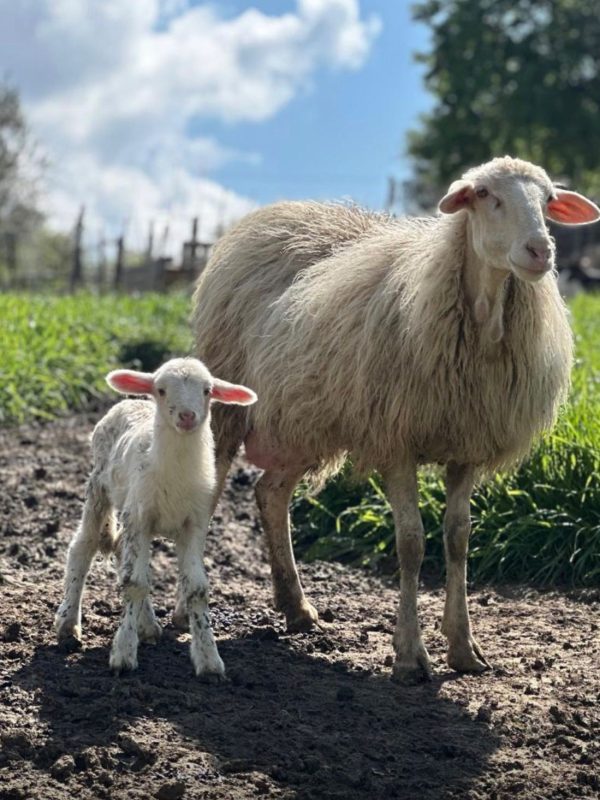
Spring Lambs Arriving Weekly

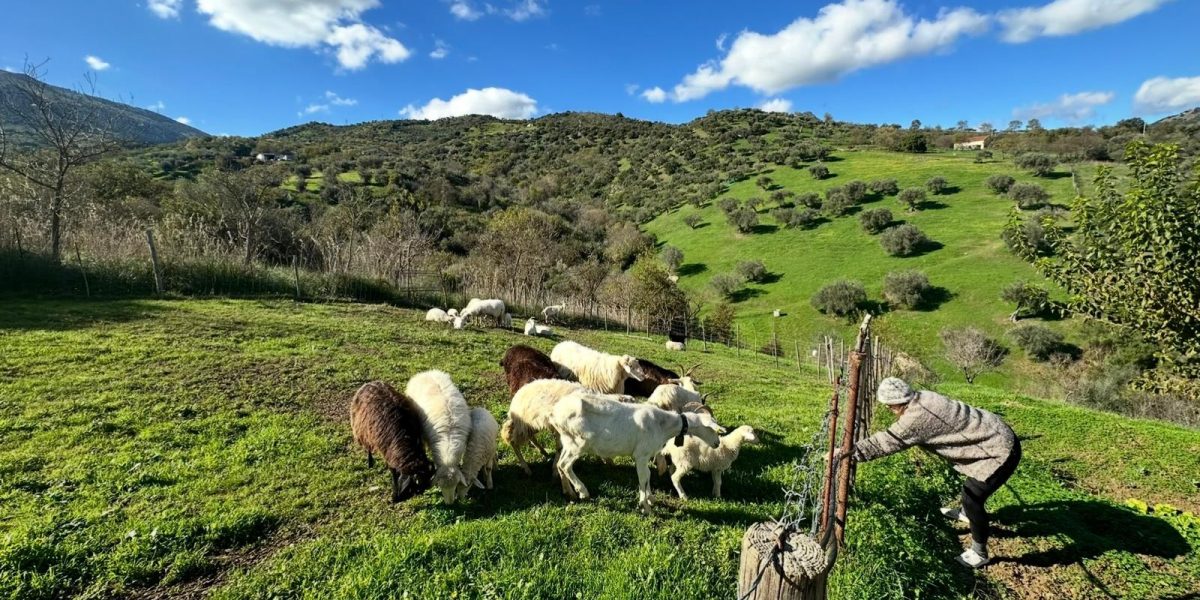
I was told by our neighbour, whom we affectionately call ‘Pastore Vincenzo’ (aka Shepherd Vincenzo since he’s always with his flock of sheep), that what we have on our property are not just any old olive trees, but survivors of generations.

He continued to tell me about the man he knew who used to own our property, Manuel Fiasconaro. These ancient olive trees were likely pruned by multiple generations of families, and over the centuries, continued to produce olives through the changing seasons—surviving storms, droughts and neglect—and yet they kept going. And now I’m told that I’m part of their next chapter. 

As I walk through the property with Pastore Vincenzo (along with his sheep and two sheep dogs Poppei and Ursula), he indicates which of our trees need to be removed, which branches to prune, how to shape the trees using ropes and weights to develop the classic umbrella shape, and how to leave just enough room for the spring doves to be able to fly through the branches. 

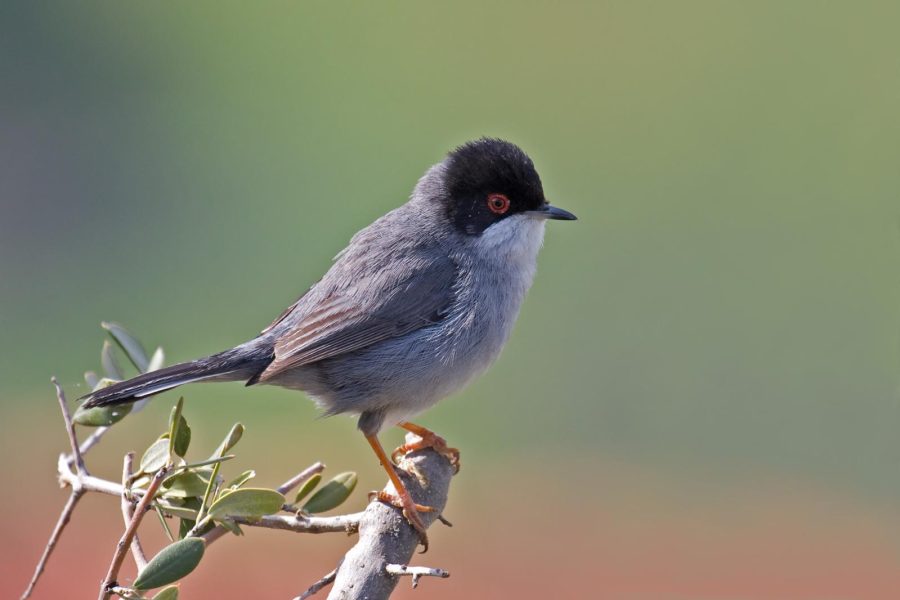
Pastore Vincenzo is careful to point out that it’s the larger European doves that need to be able to fly through the branches, not just the smaller Sardinian Warblers or sparrows. Most importantly, the olive trees need space for the sun to shine through to produce their crop.

It’s clear that what Pastore Vincenzo is teaching me about olive tree pruning doesn’t come from the internet using Google or AI. His knowledge comes from his 77 years of experience, passed down through generations, from his father, and his grandfather, and possibly going back hundreds of years when his family first came from Malta to Sicily to settle in the Madonie Mountains. 

When I look at the well-manicured and productive olive trees on Pastore Vincenzo’s land, it’s easy to conclude that he has the proof staring me right in the face.

In times like this, I’m recognizing that sometimes it’s best not to reinvent the wheel, but rather, to become a willing student or apprentice and seek the knowledge of others. I’d like to do my part to keep these centuries old olive trees happy and productive.

Working among these old trees feels less like gardening and more like participating in history.

https://en.wiktionary.org/wiki/Sardinian_warbler#/media/File:Sardinian_Warbler.jpg
Sardinian Warbler; Photo by Andreas Trepte
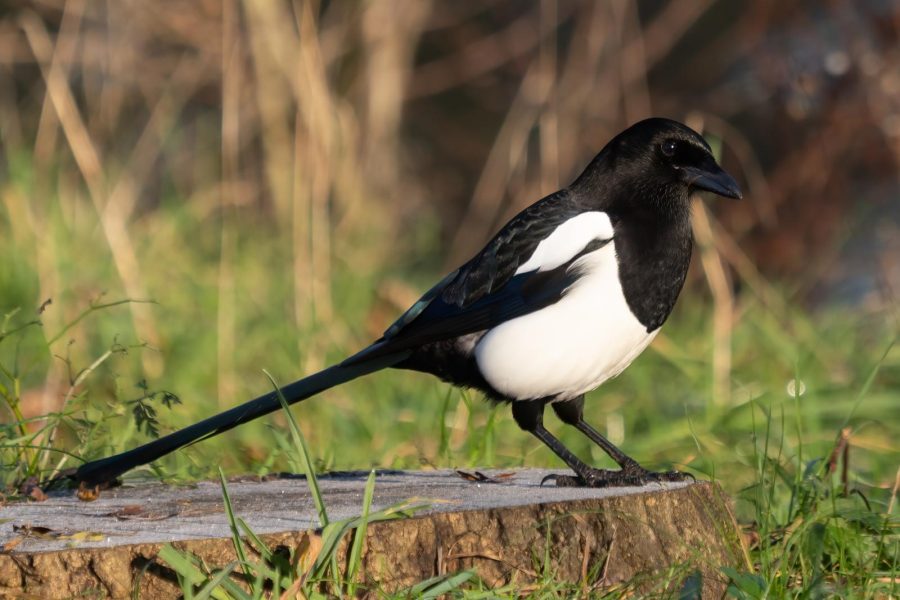
https://en.wikipedia.org/wiki/Eurasian_magpie
Eurasian Magpie; Photo by Rhododendrites

The Sound of Spring (and One Very Persistent Visitor!)


Spring in the Madonie Mountains doesn’t arrive quietly—it arrives like an orchestra tuning up. Between the residents and the seasonal migrating birds, there are over 450 bird species recorded in Sicily!


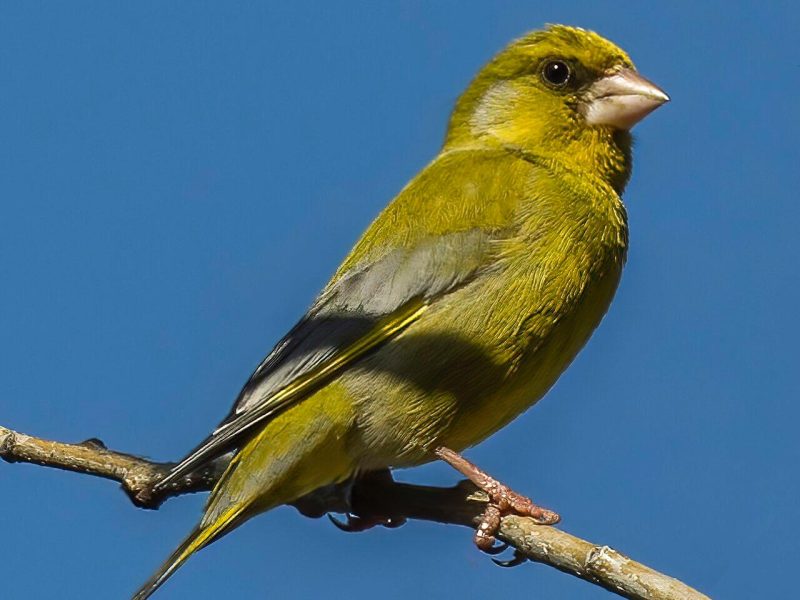
The Sardinian Warbler is usually the first to make itself known. You hear it before you see it—a sharp, almost argumentative gurgling call, as if it has strong opinions about how the day should proceed. The Eurasian Greenfinch brings something softer. Its song feels less like a statement and more like a suggestion—gentle, layered, almost drifting across the landscape rather than cutting through it.


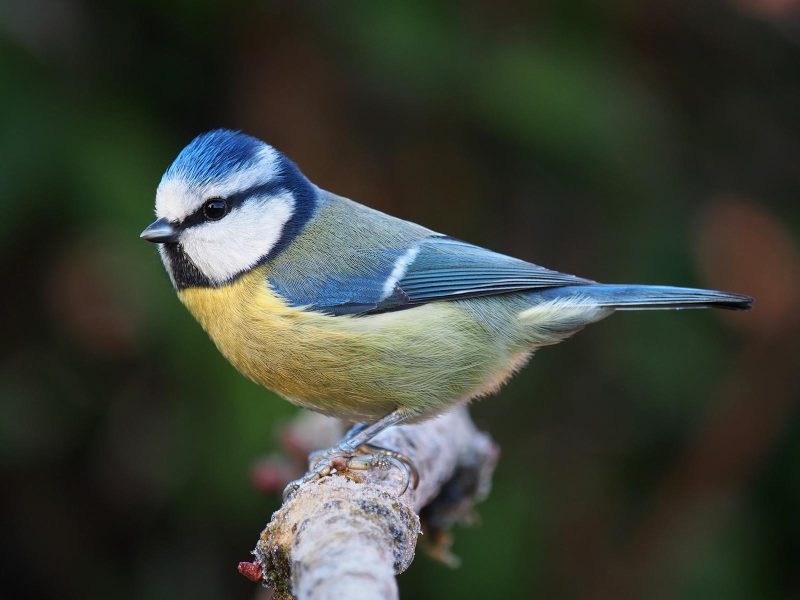
Then there’s the Eurasian Blue Tit. This one has become quite interactive and personal. Most mornings, around 7am as I sit with a coffee—somewhere between fully awake and not quite ready to be, it arrives—the Eurasian Blue Tit. Not in the trees, or the stone wall, but perched on our door, staring back at me, unashamed. Friendly, yet very vocal.


My talkative morning visitor arrives with the confidence of something that clearly believes it has an appointment—tilting its head slightly, peering in through the door as if to check whether we’ve overslept.


There’s a certain routine to it now: 

Coffee.

Chirping.

Bird inspection.


And then, just as quickly as it appears, it’s gone, as if it had other places to be. Perhaps it has other people to check in on…


And finally, the Eurasian Magpie—which is impossible to ignore. We see them here often. They’re bold, intelligent, and slightly theatrical. It doesn’t just enter a space—it announces itself. Black and white with a blue tint to its wings against the green hills, it has a bold clacking call that feels part curiosity, part commentary.


If the other birds are musical, the Magpie is more like gossip—informing us of what happened in the months since we’ve been gone. Whatever it is saying, it has a lot of it to tell us, that’s for sure!

Eurasian Greenfinch
Eurasian Greenfinch; Photo by Charles J. Sharp
Eurasian Blue Tit
Eurasian Blue Tit; Photo by Francis C. Franklin

Speaking Italian, Becoming Sicilian… Finally


For two and a half years, Courtney and I have been doing Italian lessons. Our lessons are usually weekly for one hour. The routine is often without fail except the occasional “holiday” timeframe adjustments.


There were stretches where progress felt theoretical—like understanding something in principle, but not quite being able to live it. Even while we were in South Africa, we kept attending our weekly lessons online. But something shifted when we returned to Sicily this spring. 


We brought a small gift back for our neighbours as a simple gesture, something thoughtful, but nothing elaborate. We expected a quick exchange of buongiorno and arrividerci. (Good morning and see you later!). Instead, we stayed over thirty minutes. What did we discuss? A lot of things, and it was entirely in Italian.

“A primavera, la terra arredi e lu cori si cunta.” (In spring, the earth smiles and the heart begins to speak.)

Now, I won’t pretend it was flawless. There were pauses, and quick references to Google Translate to find the right word. And there were moments where we took the “scenic route” to find the correct word or sentence to properly articulate our thoughts. But we spoke nearly completely in Italian, and even with a flare of Sicilian dialect!


We talked about South Africa’s beautiful landscapes, the wildlife, and the food. They asked questions, and we answered. We asked about their winter garden, and shared stories and pictures of their son and daughter—two successful chefs.


And then, there are several occasions when we see their granddaughter. I always greet her with “Buongiorno, Principessa!” (Good morning, Princess!). She smiles and spins on cue, like she’d been rehearsing for weeks.


Some traditions don’t require language. But last fall, this conversation wouldn’t have been possible. And that realization arrived quietly—I was halfway through a sentence when I suddenly realized I didn’t have to translate it in my head.

New Lamb 2026
New Member of the Farm Family
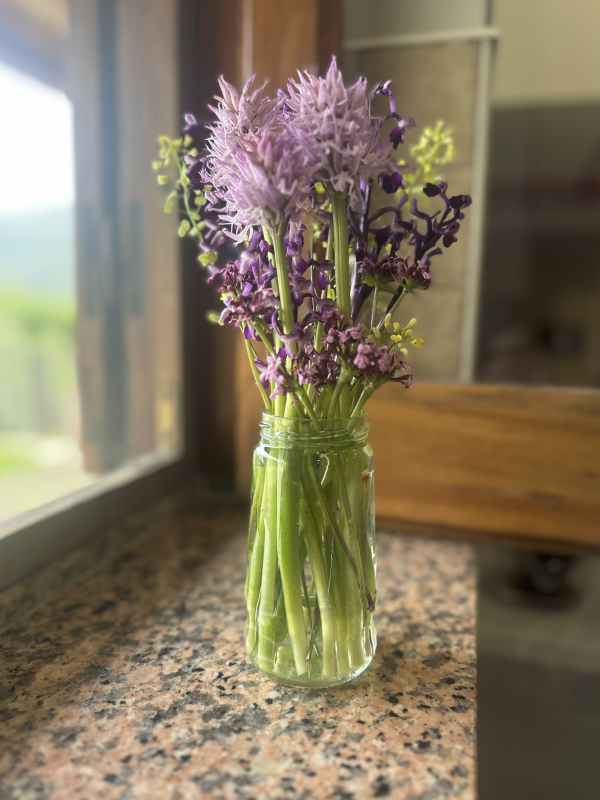
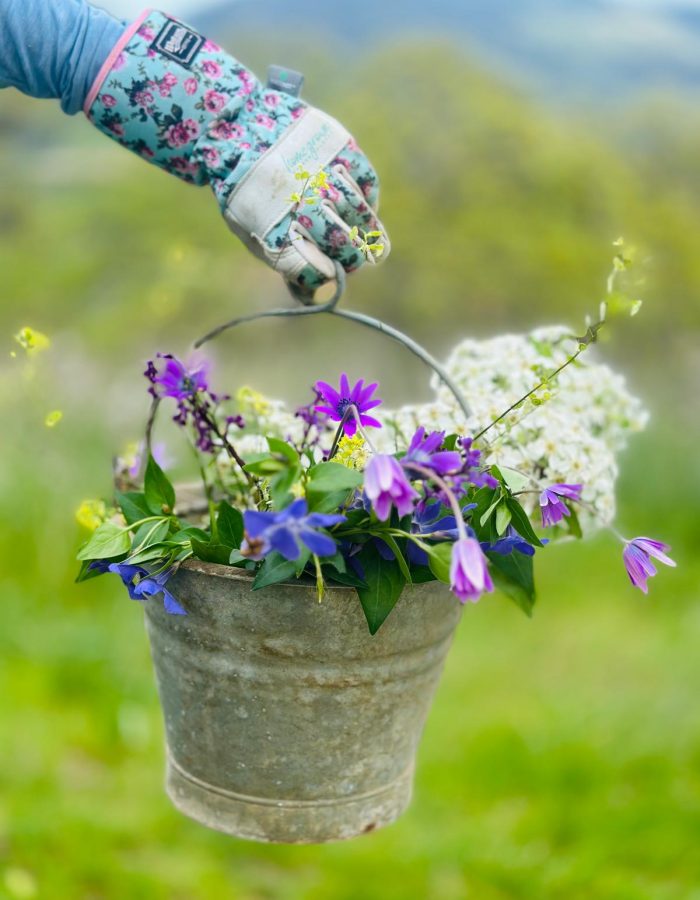
Wildflowers from our Property

Two Wheels and a Different Kind of Time


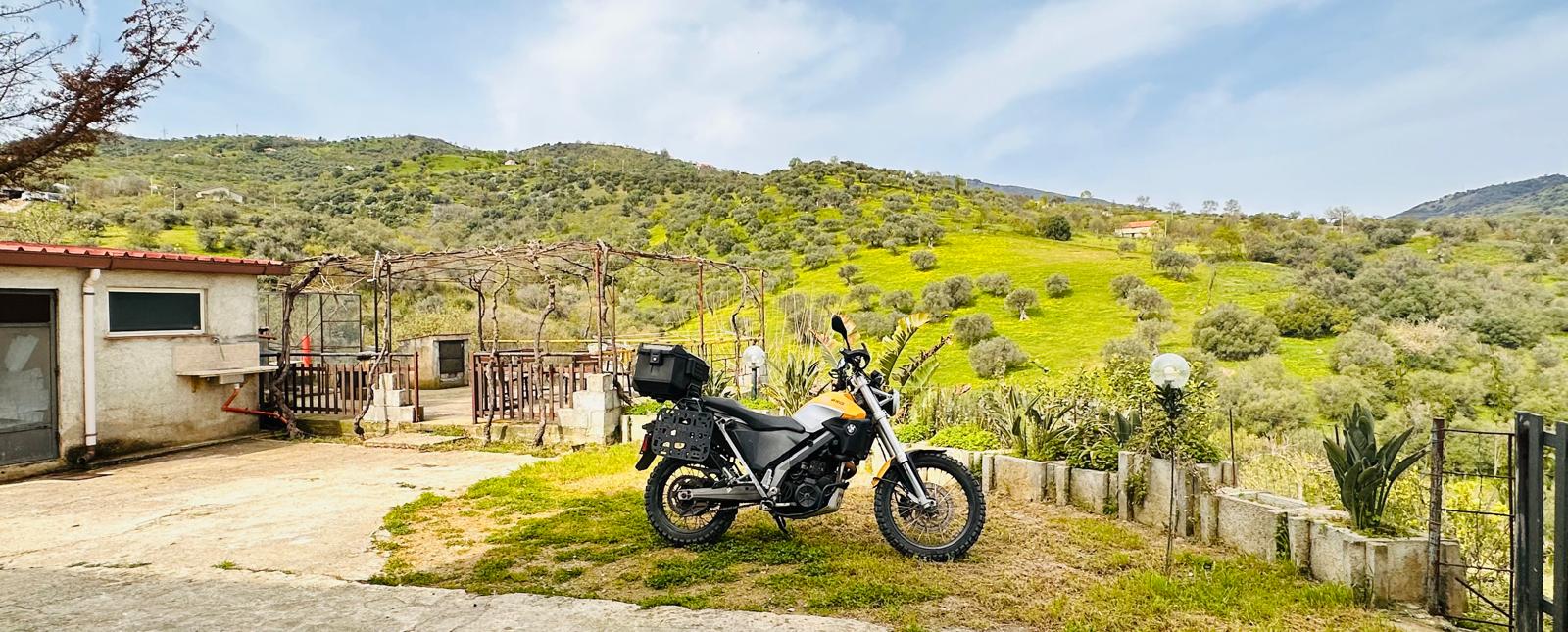
There’s something special about returning to the motorcycle after time away.


You don’t just ride it, you embrace it. The curves of the winding roads in the Madonie Mountains feel different when you’re on two wheels—you feel the temperature shift as you climb, and the subtle change in scent as you pass through different elevations.


And then there are our e-bikes that we purchased last fall. The speed is slower, almost stubbornly so. You notice things on a bicycle that you would otherwise miss—a doorway left slightly open, a conversation drifting out from a café, and the way the light settles into a narrow street.


Travel at this pace stops being about getting somewhere and more about noticing that you already are somewhere. For me, it’s a great reminder to stay present with all we have to discover today. It’s the reminder to let go of the future plans, and not to linger in the past.

The BMW G-650 Adventure Moto

As I learned from my dad, “Life is short. Live it.”  And it seems he always did so in a positive manner, as he is known for his saying, “Nice, bright, sunny day! Birds are singing. Children are playing.”


I sure miss my dad, but I’m glad to remember moments like this, and to think back to some special memories. I even recall the message I received from my dad’s mother, my grandmother, on every birthday as a child. She would tell me, for example, “Today you are seven years old. Be seven years old all year. You’re no longer six years old, you’re not quite eight years old. Today is special, and for this year, be seven years old all year.”


It was a message she repeatedly told myself and my two sisters, as I‘m sure she told all of her grandchildren, and perhaps my dad as well, when he was a child.  And now, all these decades later, I’m starting to accept it and truly understand the wisdom in a life lived this way—the importance of being present in the moment.


There is a Season for Everything


If there’s one thing that stands out this season, it’s not the new lambs, or the olives, or even the landscape here in the Madonie Mountains—although ‘technically’ these mountains do stand out quite dramatically—it’s the people.


Our neighbours who now linger a little longer. The conversations that stretch just a bit further. The subtle look of surprise when they realize that we understand (or at least, we’re trying to!).


Language, it turns out, isn’t about perfection—it’s about effort. After two and a half years with our Professoressa, we’re beginning to feel the difference—not just in what we say, but in how we’re welcomed. Our teacher didn’t just teach us Italian—she helped us find a way into Sicilian culture. 


Is Sicily much different than Canada?

Absolutely. 


The pace of life, the way of thinking, and the true value of our life here is a stark contrast and an absolute improvement compared to how the pace of life was going in Canada. 


In Canada, I remember the years passing by with each Christmas and New Year celebration.


As we travel, I feel each day carries more weight, absorbing all that I can in a land where the time feels slower and more meaningful. I’m convinced I get more time here, as each week and season is stretched to its fullest potential. 


Canada felt much more like my life was racing by. In Sicily, I hear the locals and the land calling out to me, “Piano, piano!” (meaning: “Slowly, slowly”)—a gentle reminder to take things step by step, without rushing, and to trust that progress comes in its own time. 

Wildflowers Gathered on our Property
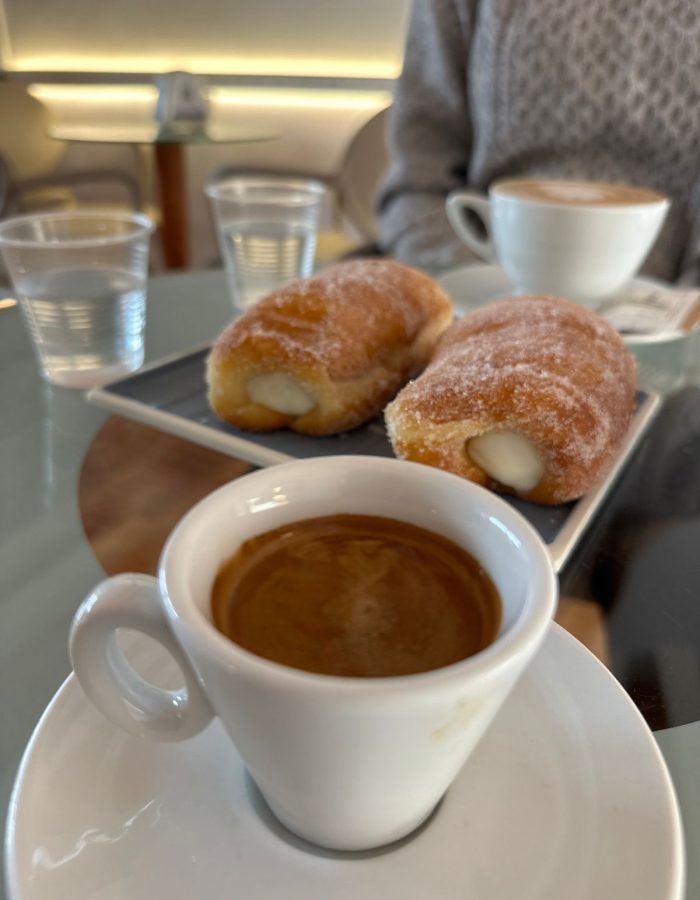
A Taste of Fiasconaro's Dolce Sweets

This spring, one of our neighbours, Antonio, sent me a photo of his new horse and a new baby cow that was born on his property. We occasionally see Antonio when we go out for a drive, and every time we pass him, I turn to see his four-way flashers pop on—he always stops to chat with us. 


I tell him, “Quando le temperature saranno più calde, verremo a vedere i vostri nuovi animali.” (When the temperature is warmer, we’ll come to see your new animals.)


“Certo! Sono qua ogni giorno alle tre.” (Certainly! I’m here everyday at three.) 


An open invitation to swing by for a visit is something that doesn’t really happen anymore in “modern” society. It’s a traditional way of living that leaves room for the unexpected visitor, something that is still quite normal here in Sicily.


Back in Canada, time always seemed just out of reach—visiting a neighbour felt like something you had to schedule weeks in advance. And meeting their new animals? That belonged in the category of “maybe someday…” Life moved fast, filled to the edges with obligations and noise. It wasn’t just busy—it was overwhelming.


Here in Sicily, visits still happen the old fashioned way. People don’t always have to schedule appointments to see one another—they simply show up. A knock on the door, a familiar voice calling from the gate, and suddenly you have company. No messages sent ahead, no checking calendars, no quiet negotiation for permission. Just the easy assumption that you are welcome.

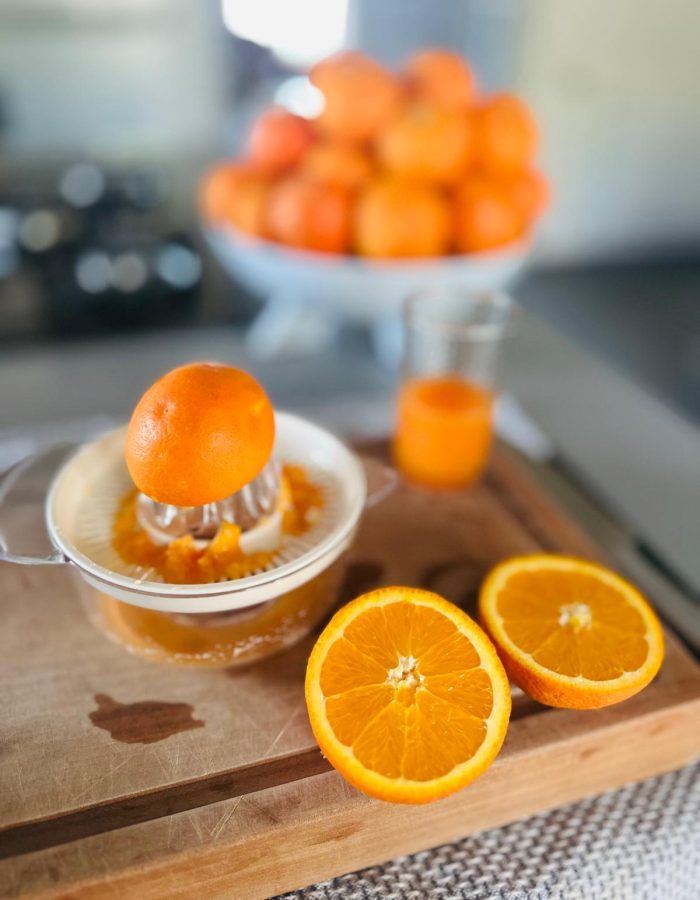
At €1 / kilo, the 'Orange Juice Season' in Sicily is a favourite of mine!
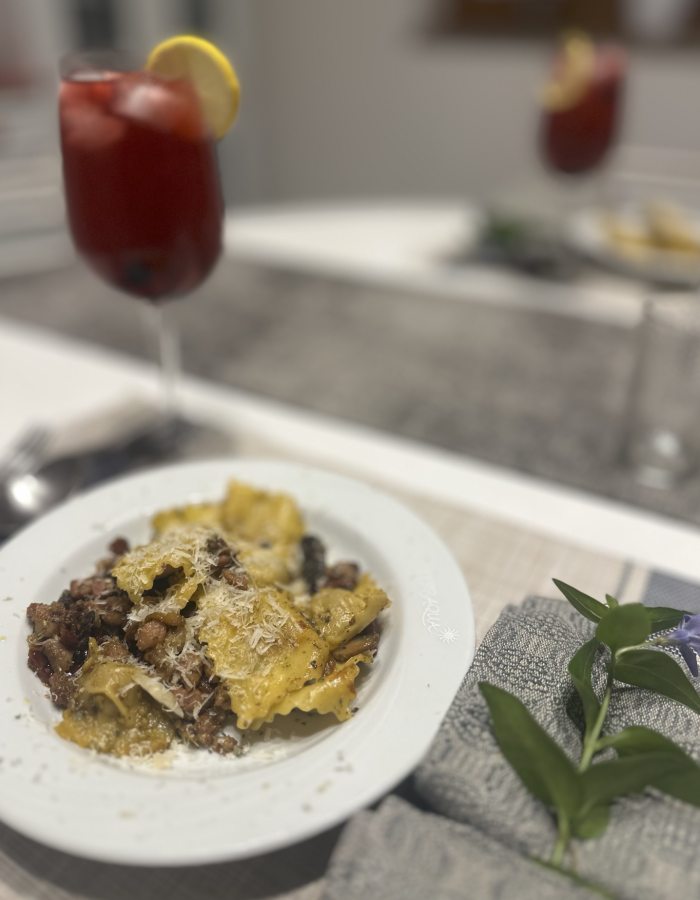
Mushroom Torteloni
Chef Paolo attempts Torteloni Pasta con Funghi del Bosco

Final Thoughts


The Italian phrase “Dolce far Niente.” (“The Sweetness of Doing Nothing”), sounds like doing nothing, but in Sicily, it feels like doing exactly enough.


Trimming a tree that has outlived generations, tasting something you waited months to understand, sharing a conversation that once felt impossible, or being greeted each morning by a bird who seems mildly disappointed if you’re late with your coffee.


None of it is rushed, and none of it is wasted. Somewhere in the quiet space between effort and ease, I suddenly realized that life has become more complete. And, without trying too hard at all…sweeter. 


This is what I’m slowly learning is the Sicilian life.